Let’s be honest: if I suggest "spending the evening curating beautiful revision cards" to my eldest on a rainy Tuesday after a full day of Year 10 mock prep, I am going to get "The Look." You know the one. It’s a mix of exhaustion, teen disdain, and the silent question: "Mum, do you have any idea how much homework I already have?"
As parents, we want to help, but let’s drop the pretence that we have three hours to spend colour-coding index cards. The "homework battle" is real, and it’s usually fought in the kitchen while I’m trying to stir pasta and someone else is crying because they can’t find their maths set. We need study habits that work for real families, not for Pinterest-perfect homes that don't actually exist.
So, how do we turn those messy class notes into effective study tools without triggering a full-blown anxiety spiral? Let’s break down how to get it done efficiently, using tools that actually save our sanity.
Why We Need a Smarter Way to Revise
The biggest issue with traditional revision is the sheer volume of "stuff." Kids end up staring at a notebook for two hours, re-reading the same page, and convincing themselves they’re "studying." We know better. That’s passive reading, not active recall. To really make it stick, they need to be challenged. They need to be forced to retrieve the information from their brains.
The problem is the barrier to entry. Writing out fifty flashcards by hand is a massive time sink. This is exactly where tools like a flashcard generator can change the game, turning a two-hour ordeal into a fifteen-minute task.
The Low-Stress Strategy: AI to the Rescue
If you’re looking to turn notes into flashcards quickly, you need to leverage AI. I’ve recently been looking at Quizgecko. It’s an absolute lifesaver because it does the heavy lifting for you. Instead of your child sitting there trying to summarise a page of messy biology scribbles, they can upload their notes, and the AI generates the questions and answers.
Here is why I actually like this: it removes the "blank page" syndrome. The hardest part of starting is formatting. Once the AI has created the deck, your child just needs to review it. It’s a low-pressure way to interact with the material, and it keeps the momentum going.
A Quick Comparison of Approaches
Method Time Commitment Stress Level Effectiveness Hand-writing cards High (1-2 hours) High (Can lead to frustration) Moderate (Great for memory, bad for speed) AI Generator (Quizgecko) Low (10-15 minutes) Low (Removes the blank page) High (Focuses on active recall)Gamification: Making the "Boring" Feel Like a Win
Look, I’m not a fan of systems that turn every single interaction into a competition. We have enough of that at school—where the quiet kids are often left feeling like they aren't "smart" because they don’t shout out answers the fastest. However, there is a middle ground: gamification that tracks *personal* progress rather than rank against classmates.
Platforms like Centrical are brilliant because they use points, badges, and progress tracking to show a student exactly how far they’ve come. It’s not about beating their best mate; it’s about seeing their own "level-up" bar move. On a Tuesday night when motivation is flagging, seeing that you’ve mastered 80% of a chemistry topic is a huge dopamine hit. It shifts the narrative from "I have so much work to do" to "I’m nearly finished with this level."
Practical Steps to Turn Notes into Flashcards (The 'Real Mum' Way)
Don't try to do this all at once. If you try to turn a whole term’s worth of notes into flashcards, you will fail. It’s too overwhelming, and that’s where the anxiety kicks in. Follow this simple plan instead:
The Five-Minute Rule: Only ever tackle notes from the *last* 24 hours. Keep it fresh. Snap and Process: If your child’s handwriting is… let's call it "energetic," type out the key bullet points or take a clear photo/scan. AI Conversion: Use a tool like Quizgecko to import those notes. Let the AI identify the core concepts. Review, Don't Rewrite: Check the cards the AI generated. Add one or two personal notes if needed, but don't obsess over the formatting. Gamify the Recall: Set a goal for the week. "If you hit 50 points on your flashcard app by Thursday, we’ll order that pizza you like." Keep it simple.Addressing the Anxiety Around Test Prep
I cannot stress this enough: if your child is prone to test anxiety, keep the tools away from "timed" modes initially. The pressure of a countdown clock can make some kids freeze, which defeats the purpose entirely.
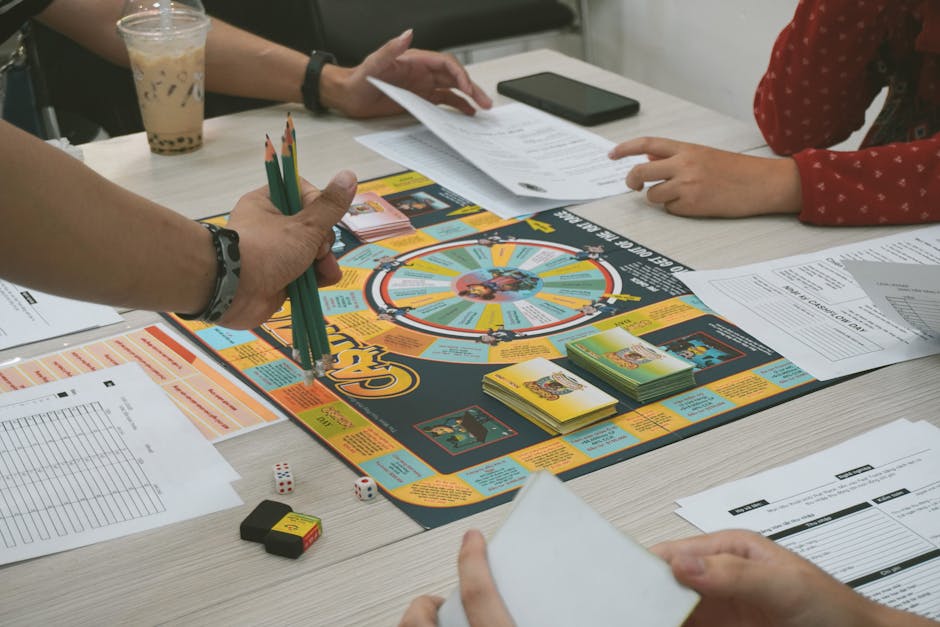

Start with study recall in a low-stakes environment. Encourage them to use flashcards while they’re sitting on the sofa or while they’re having a snack. When learning feels like a normal part of the day rather than a high-stakes performance, the anxiety levels drop significantly.
If you see your child getting frustrated because they keep getting a card wrong, step in. Remind them that getting it wrong is actually where the learning happens. That’s the "struggle" that builds the neural pathways. It’s not a failure; it’s just the brain working hard.
Why Tools Like Centrical and Quizgecko Change the Homework Dynamic
The beauty of these tools is that they remove the "mum-as-teacher" dynamic. When I sit there and quiz my kids, I end up getting frustrated, they end up getting defensive, and we both end up in tears. It’s AI flashcard generator a disaster.
By using an independent platform, the feedback is objective. If they get a question wrong, the app doesn't sigh or look impatient. It just says, "Try again." That level of neutrality is a godsend for a parent trying to manage a household.
Final Thoughts for the Overwhelmed Parent
- Focus on the small wins: Did they get three cards right? Great. That’s a win. Celebrate it. Stop the "All-or-Nothing" thinking: It’s okay if they only do 10 minutes. 10 minutes of active recall is better than an hour of staring at a textbook. Trust the process: Flashcards are a tool, not a life sentence. If your child hates them, try something else. There’s no point forcing a tool that causes more stress than it solves.
At the end of the day, our kids are tired. They’ve been at school, navigating social drama and academic expectations all day. If we can make the process of study recall just a little bit faster, a little bit more engaging, and a lot less of a chore, we’ve won the battle. Give the AI route a go—you might just find that your Tuesday nights look a little less like a battlefield and a little more like a win.